Welcome back, everyone. This week’s newsletter will be on the topic of rejection, which is a subject I have been faced with a lot here in the past weeks. I have found that people, in general, have a hard time dealing with rejection, and some have no knowledge of how to navigate this issue when they are faced with it.
This subject is important because I want to help you understand the five steps to overcoming rejection. Let me know if you’re interested. Please follow me as I take this next step toward becoming positively improved.
How to deal with rejection
During the course of a career or a personal pursuit, facing rejection can be a challenging experience. It is common to be tempted to declare that one cannot handle rejection and to avoid it altogether. However, one may play it safe and avoid taking risks by doing so. Although it may be disheartening, individuals have a choice to make in such situations. They can either choose to remain in their comfort zone, which may leave them unfulfilled, or acknowledge that rejection is a natural part of creating a life they truly desire.
Although it may not be easy, opting to open oneself up to disappointment can be a transformative experience. Learning how to cope with rejection can help individuals develop a resilient mindset and move forward with greater confidence. Furthermore, it is possible that the experience may provide valuable insights that can be applied in future situations. For instance, the experience may empower individuals to reject job offers that do not align with their goals or to remove toxic people from their lives.
Recognize that rejection is a part of life.
Specific endeavors do not always come to fruition, and being denied can result in beneficial change. It indicates that one is venturing beyond one’s limitations, taking chances, and leaving one’s comfort zone. One may execute something incorrectly if one’s existence is free of refusal. Everyone must learn to deal with a refusal at some point in their lives, and frequently, individuals must grapple with it more than once.
Accept what happened
It is important to face rejection head-on rather than denying its existence. Refusing to acknowledge the situation can exacerbate the pain and disappointment that result from being let down. Rather than avoiding the reality of rejection, it is critical to confront it and all related emotions. While it is true that rejection can be a difficult and painful experience, it must be faced to move forward. In many cases, it is possible to view rejection as a learning opportunity or a chance for growth. Despite the initial sting, time often reveals that rejection can ultimately lead to positive outcomes. In fact, there’s little difference, neurologically speaking, between the physical pain of injury and the emotional ache of rejection. Learning to deal with rejection healthily is a valuable life skill you can use in all facets of your life – personal, professional, and romantic.
Why it hurts to be rejected
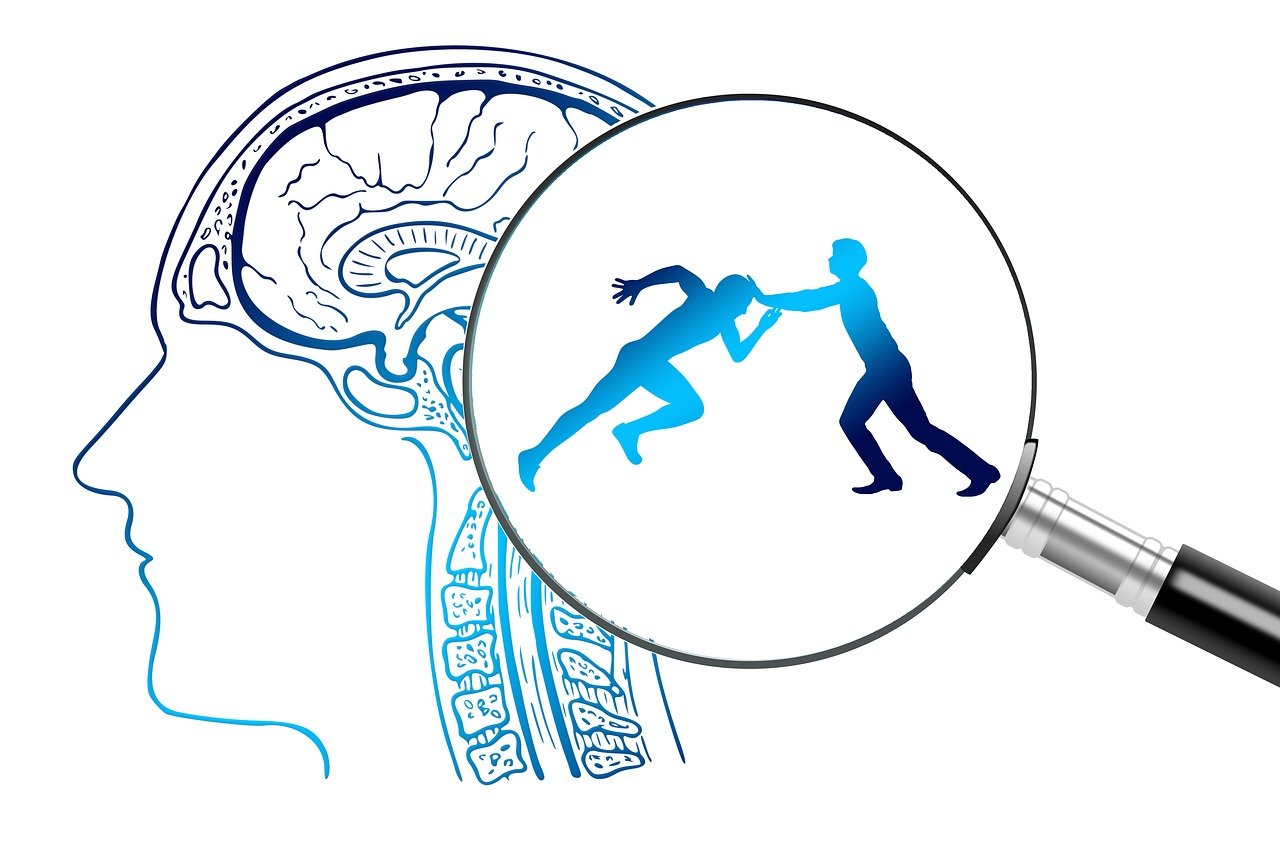
Experiencing rejection can be an arduous and distressing ordeal, whether it originates from a friend, hiring manager, or romantic interest. Termed rejection trauma, the suffering felt is authentic and results in a physical response akin to that of a physical injury, activating the same area of the brain responsible for processing pain. Beyond the physical sensation, rejection also affects our fundamental need for acceptance and belonging. As social beings, humans have an inherent desire to connect, which has evolved from the time when humans lived in hunter-gatherer groups. Individuals who could seamlessly integrate and thrive in such tribes were more likely to survive and reproduce. Work towards understanding and positively managing your feelings.
You don’t want to become angry and take it out on the other person. Yes, rejection hurts, but that doesn’t give you the right to harm others. Those who couldn’t forge close bonds with others were more likely to be abandoned or viewed as outcasts. Over time, the need to be included became hardwired into the human brain. When rejection happens, conditions don’t mesh with your evolutionary need, causing anxiety and self-doubt. You’re not emotional or weak if you experience these feelings when someone rebuffs your presence. It’s biology. Your emotional reaction to personal disappointment isn’t under your control, but how you respond to the situation creating these feelings is.
4. Treat yourself with compassion
It is acceptable to withdraw temporarily when confronted with rejection. It is essential to dedicate time to self-care and re-establish emotional stability. Avoid self-criticism or over-analyzing the situation. Embrace kindness towards yourself and acknowledge that you will gain novel insights when prepared.
5. Grow from the experience
The experience of rejection can be a painful one, but it is imperative to refrain from fixating on one’s faults. Instead, a more pragmatic approach would be to evaluate the situation objectively. Is there any lesson that can be derived from this? For instance, if one was overlooked for a job opportunity, constructive feedback could be sought to identify areas where one’s resume could be strengthened.
Similarly, if any warning signs were missed during a previous relationship that didn’t work out, this information could be utilized as a foundation for future personal growth and preparation for future endeavors. In summary, it is essential to adopt an objective stance in response to rejection and utilize the experience as a means of self-improvement.
Final Thoughts
Now that we have reached the end of yet another topic discussion, I hope you have a better understanding of how to navigate the issue of rejection if you are ever faced with it. Each of the steps offered is tried and true and will guide you safely through the path of rejection.
I can’t say you will never again feel the sting of rejection, but I can tell you that each of these steps will help you navigate rejection in a way that will make any sting you might feel much more manageable.
If you would like to share your thoughts on this topic, please do so in the comment section below. If you know anyone who would benefit from this information, please share it with them.
As always, I am so grateful to you all for joining me this week. I hope you will be back next week to take that next step with me toward becoming positively improved. Until next week, namaste.

Leave a Reply