Welcome back, everyone! This week, we will continue discussing trauma recovery as we embark on the final part of our five-part series if you would like to recap on part four. Healing from trauma can often feel daunting and essential, filled with emotional challenges and personal complexities that may seem overwhelming. However, within this journey lies the opportunity for profound transformation, resilience, and empowerment. This blog will examine the multifaceted landscape of trauma recovery, highlighting various holistic approaches that can significantly enhance personal well-being and self-awareness.
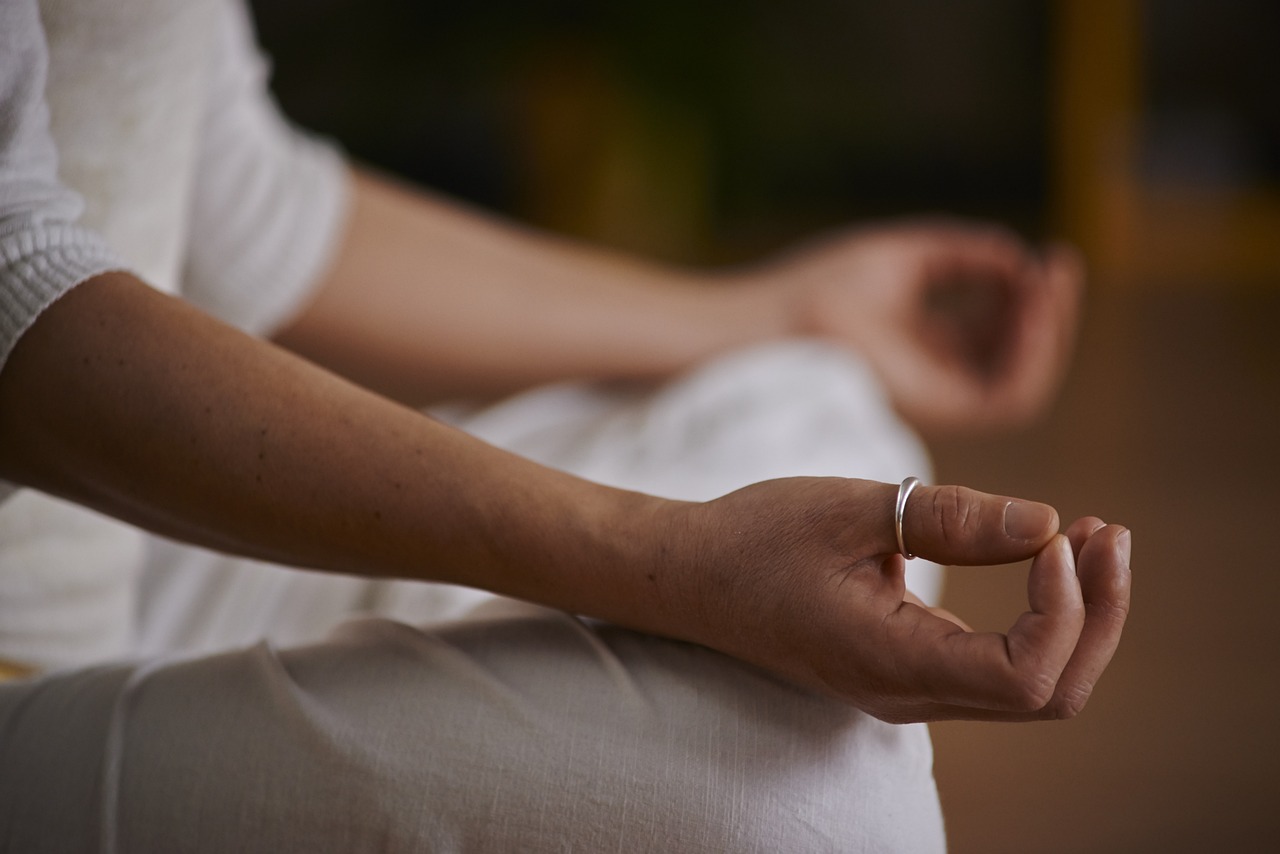
As we embark on this exploration, we will explore several core practices integral to the healing process. One of the foundational elements we will discuss is mindfulness, a technique that encourages individuals to anchor themselves in the present moment. Through various methods, including meditation, deep breathing exercises, and body scans, mindfulness fosters emotional regulation and reduces anxiety, allowing individuals to process their trauma with greater clarity and ease.
We will also highlight the importance of engaging with qualified therapists who specialize in trauma-informed care. These professionals can provide tailored support and guidance, utilizing therapies such as Cognitive Behavioral Therapy (CBT) and Eye Movement Desensitization and Reprocessing (EMDR). By understanding individual needs and experiences, therapy can facilitate meaningful progress and healing in a safe environment.
In addition to mental and emotional practices, we will explore the significant role of physical activity in trauma recovery. Engaging in exercises such as yoga, tai chi, or even a simple brisk walk in nature can stimulate the release of endorphins—natural chemicals in the body that promote happiness and well-being. Through movement, individuals can reconnect with their bodies, fostering a sense of vitality while alleviating stress and tension.
Another critical aspect we will delve into is the practice of self-care, which is often misunderstood as a luxury rather than a necessity. We will discuss practical strategies for integrating self-care into daily life, highlighting activities that bring joy, relaxation, and peace of mind. Setting boundaries, creating structured routines, and engaging in hobbies that spark creativity are just a few ways to cultivate a healthier lifestyle.
Furthermore, we will emphasize the importance of building and nurturing support networks. Healing is rarely a solitary journey; instead, it thrives in community. Connecting with friends, family, and support groups fosters an environment of understanding and encouragement. Sharing experiences with those who have faced similar challenges can create a profound sense of belonging, allowing individuals to feel less isolated in their struggles.
To aid in ongoing healing and personal growth, we will introduce practical tools and exercises that can be easily woven into daily routines. Mindful breathing techniques, journaling prompts, and creative expression will be explored as invaluable practices that encourage self-reflection and emotional processing. These tools serve as reminders to engage actively in one’s health journey and highlight the importance of small, consistent actions contributing to long-term wellness.
As we embark together on this enlightening exploration of trauma healing, we aim to illuminate how prioritizing mental, emotional, and physical health can profoundly alter our life trajectories. This journey of self-discovery and growth enhances our lives and can have a ripple effect, inspiring and uplifting those around us. Together, we will uncover the transformative power of holistic approaches to healing, ultimately paving the way for a more enriched, empowered existence. Now, if you are ready to dive deeper, let’s take this next step together toward becoming positively improved.
General Healing for Health and Well-being
The crucial importance of health and well-being can quickly become overshadowed by the myriad stresses and challenges we encounter each day. The demands of work, family, and societal expectations can leave little room for self-care, leading many of us to neglect the foundations of our physical, mental, and emotional health. However, deliberately prioritizing our healing journey through various holistic and integrative approaches can significantly enhance our overall quality of life, both in the present and future.
This newsletter explores various practical methods for trauma healing, highlighting evidence-based practices such as mindfulness, cognitive-behavioral therapy (CBT), and somatic experience. These techniques help individuals process and release past traumas, empower them to reclaim their narratives and foster resilience in the face of adversity.
Furthermore, we will delve into the critical role of self-care. This multifaceted practice encompasses everything from physical exercise and balanced nutrition to mental health strategies like meditation and deep breathing exercises. By emphasizing the importance of nurturing ourselves—body and mind—we can create a solid foundation for recovery and personal growth.
Additionally, we will discuss the invaluable support networks that can significantly bolster our healing journey. Whether through friends, family, or community groups, the connections we build can provide emotional sustenance, shared experiences, and practical assistance during challenging times.
To aid in ongoing healing, we will introduce practical tools that can be seamlessly integrated into daily routines. These may include practices such as journaling, creative expression, and regular self-checks to assess emotional well-being. These tools remind us to proactively engage in our health journeys and recognize the importance of small, consistent actions.
We will provide a series of thought-provoking journaling questions to further facilitate personal reflection and growth and encourage deeper self-exploration. These prompts will invite you to examine your feelings, identify areas for improvement, and set intentions for your journey toward wellness.
As we embark on this enlightening journey toward holistic healing, you’ll discover how prioritizing your health and well-being can transform your life and those around you, leading to a more fulfilled and empowered existence.
Holistic Approaches to Trauma Healing
When it comes to healing from trauma, adopting a holistic approach that considers the interplay between the mind, body, and spirit can be immensely beneficial. Below are some detailed methods to aid in the trauma-healing process:
Mindfulness: Practicing mindfulness involves training the mind to anchor in the present moment, which can significantly alleviate feelings of anxiety and distress. Mindfulness techniques, such as meditation, deep breathing exercises, and body scans, allow individuals to cultivate awareness of their thoughts and feelings without judgment.
By regularly engaging in mindfulness practices, one can improve emotional regulation—the ability to manage and respond effectively to emotional experiences – which is crucial for processing trauma. For instance, mindfulness meditation encourages relaxation, helping to calm the mind and facilitate a more receptive environment for healing.
Therapy: Seeking support from a qualified therapist is often a critical component of trauma recovery. Therapists utilize various modalities tailored to individual needs, allowing personalized healing journeys. Cognitive Behavioral Therapy (CBT) focuses on identifying and restructuring negative thought patterns that arise from traumatic experiences. In contrast, Eye
Movement Desensitization and Reprocessing (EMDR) uses guided eye movements to help individuals effectively process and integrate traumatic memories. Additionally, trauma-informed care emphasizes the importance of understanding the impact of trauma on an individual’s life, ensuring that therapeutic environments are safe and supportive. Engaging with a therapist can provide coping strategies and emotional support, helping individuals navigate the complexities of their trauma.
Physical Activity: Incorporating physical activity into daily routines profoundly benefits mental well-being. Exercise acts as a natural stress reliever, as it stimulates the release of endorphins—natural mood lifters that can help alleviate feelings of depression and anxiety. Activities like yoga and tai chi involve physical movement and incorporate mindfulness and meditation principles, helping foster a deeper connection between the mind and body. Even something as simple as a brisk walk in nature can help ground individuals, encouraging them to interact with their surroundings and promote peace and tranquility. Regular physical activity can also enhance self-esteem and resilience, essential to healing.
Community Support: Healing is often more effective within a supportive community. Connecting with others who have faced similar challenges can provide invaluable validation and understanding, making the healing journey less isolating. Participating in support groups offers opportunities to share experiences in a safe environment, and engaging in community workshops can foster shared learning that enriches the healing process.
Additionally, maintaining close connections with friends and family can serve as a vital support network, providing love and encouragement as individuals navigate their paths to recovery. The sense of belonging cultivated within a community can significantly enhance motivation and resilience, making it easier to face the challenges associated with trauma healing.
Overall, a holistic approach to trauma recovery, encompassing mindfulness, professional therapy, physical activity, and community support, can create a balanced framework for healing—addressing emotional, psychological, and physical aspects of well-being.
Importance of Self-Care and Support Networks
Self-care is not merely a luxury but an essential practice for maintaining emotional and physical well-being. Incorporating self-care into daily life can significantly improve one’s mood and ability to cope with stressors. Here are some detailed strategies to help one incorporate self-care into one’s routine.
Set Boundaries—Healthy boundaries protect your time and emotional energy. Learn to say no when necessary and prioritize activities and relationships that nourish your spirit. You can focus on engaging with those who enhance your overall well-being by identifying what drains you versus what uplifts you. Consider creating a personal reflection time to assess your commitments and eliminate those that feel obligatory rather than fulfilling.
Create a Routine—A well-structured daily routine can bring a sense of stability and normalcy to your life. Take time to map out a schedule that includes dedicated moments for self-care. This might involve setting aside time each day for activities that bring you joy, such as curling up with a good book, experimenting with new recipes in the kitchen, or diving into a beloved hobby. Consistency in your routine will provide comfort and allow you to look forward to these personal moments amid daily responsibilities.
Utilize Support Networks – The importance of a robust support system cannot be overstated. Family and friends serve as essential pillars in your journey towards recovery and personal growth. Don’t hesitate to lean on them during challenging times; they can offer perspective, encouragement, and compassion when needed. Make an effort to cultivate relationships with individuals who uplift you and contribute positively to your emotional landscape, whether through regular check-ins, shared activities, or simply spending time together.
Tools for Ongoing Healing and Personal Growth – Integrating healing practices into your daily life doesn’t have to be complicated. Here are some practical tools and exercises to make ongoing personal growth more accessible:
Mindful Breathing: Set aside a few minutes each day to engage in conscious breathing. Find a quiet space, sit comfortably, and take a deep breath through your nose, filling your lungs. Hold that breath for a few moments, releasing any tension before slowly exhaling through your mouth. This simple yet effective practice helps center your thoughts, reduce stress levels, and reconnect you with the present moment.
Gratitude Journaling – Every evening, reflect on your day by jotting down three things you are grateful for. This practice can be transformative, shifting your focus from challenges and negativity to the positive aspects of your life. Over time, this intentional reflection can foster a greater sense of resilience and appreciation, allowing you to celebrate even the small joys that often go unnoticed.
Creative Outlets – Exploring your creative side can be a powerful form of emotional expression and healing. Engage in activities such as drawing, painting, writing, or any other creative endeavor that resonates with you. Allow yourself the freedom to explore and articulate your emotions through these mediums. Embracing creativity facilitates emotional release and cultivates a deeper understanding of your feelings and experiences.
By actively incorporating these thoughtful self-care strategies into your daily life, you can foster a greater sense of balance, resilience, and overall well-being. Remember that self-care is a journey, not a destination; it’s about creating a lifestyle that honors your needs and nurtures your growth.
Journaling Questions for Reflection
Journaling is a profound tool for self-reflection and personal development, allowing individuals to explore their thoughts, feelings, and experiences more meaningfully. Putting pen to paper creates a space for introspection that can lead to profound insights and emotional growth. To guide you on this transformative journey, here are some detailed journaling prompts to delve into:
What does healing mean to me personally, and what initial steps can I take to begin my journey toward healing? Take time to contemplate the concept of healing. Does it signify the release of past traumas, the acceptance of your current self, or perhaps a combination? Identify tangible steps, such as seeking therapy, practicing forgiveness, or setting aside time for self-reflection, that could initiate or support your healing journey.
What actions can I take today to nurture my well-being and enhance my self-care routine? Reflect on activities that resonate with you and positively affect your mental, emotional, or physical health. These could include prioritizing restful sleep, engaging in a creative hobby, enjoying a nutritious meal, taking a leisurely walk in nature, or dedicating time to relax with a good book. Choose three that you can realistically incorporate into your day.
In what ways do my support networks—friends, family, or community—play a role in my healing process, and how can I further strengthen those connections? Examine the influence of your relationships on your emotional well-being. Consider how friends or family members provide comfort, encouragement, or a listening ear during tough times. Reflect on specific support instances, and think about steps you could take to deepen these bonds, such as reaching out more frequently or sharing your feelings openly.
What are the key goals I aspire to achieve in my growth journey, and what motivates me to pursue them? Clarify your aspirations by identifying specific goals linked to different areas of your life, such as career, relationships, or personal interests. Think about the underlying motivations that drive these ambitions. Is it a desire for fulfillment, a commitment to becoming your best self, or the aspiration to inspire others? Writing these down can clarify your path forward.
How can I more effectively weave mindfulness practices into my everyday life to cultivate a sense of presence and awareness? Explore mindfulness techniques that resonate with you, such as meditation, deep breathing exercises, or simply taking moments to pause and appreciate your surroundings.
Consider incorporating these practices into your routine. For example, start your day with a few minutes of meditation or set reminders to check in with your breath throughout the day.
Engaging with these questions in your journal can lead to self-discovery and healing, enabling you to better understand yourself and your growth journey.
Final Thoughts:
Healing is a continuous journey that unfolds over time, requiring a deep well of patience and self-compassion. It’s essential to understand that this process is not linear; it involves ups and downs, moments of clarity, and phases of uncertainty.
Embracing holistic approaches can significantly enhance our healing experience. This means recognizing the interconnectedness of mind, body, and spirit and that physical health, emotional well-being, and spiritual fulfillment are all equally important.
Prioritizing self-care is a crucial aspect of this journey. Self-care can take various forms: engaging in regular physical activity, practicing mindfulness or meditation, nurturing relationships, or simply taking time to indulge in hobbies and interests. Identifying the activities that replenish your energy and bring you joy and incorporate them into your daily routine is vital.
It is equally essential to utilize the support of others. Whether seeking professional help from therapists or counselors, joining support groups, or leaning on friends and family, a strong support system can provide comfort and guidance. Sharing one’s experiences with others can offer new perspectives and foster connections essential for emotional healing.
As you navigate this journey, remember to take small, manageable steps. Progress may sometimes feel slow, but every step forward is significant, no matter how minor. Being gentle with yourself is critical; allow yourself to experience your emotions without judgment and recognize that it’s okay to have setbacks. Regularly reflecting on your progress can help you appreciate how far you’ve come, even if the path is challenging.
Above all, remember that your well-being matters deeply. While this healing journey can be difficult, it is a worthy pursuit that can lead to profound personal growth and resilience. Embrace it with an open heart and a curious mind. If you would like to gain more insight into trauma recovery, I would encourage you to read ”Discover the Transformative Power of Trauma Healing Journaling as an Independent-Minded Adult.”
As I conclude this week’s newsletter, I hope this series has helped you gain vast knowledge about trauma recovery and inspired you to dive deeper into new understanding and insights on managing any triggers you may have. I invite you to share any thoughts you have regarding this series.
If you know anyone who would benefit from this information, please share it with them. As always, I am grateful that you took the time to take this step toward becoming positively improved. I hope you will join me again next week. Until then, Namaste.

Leave a Reply