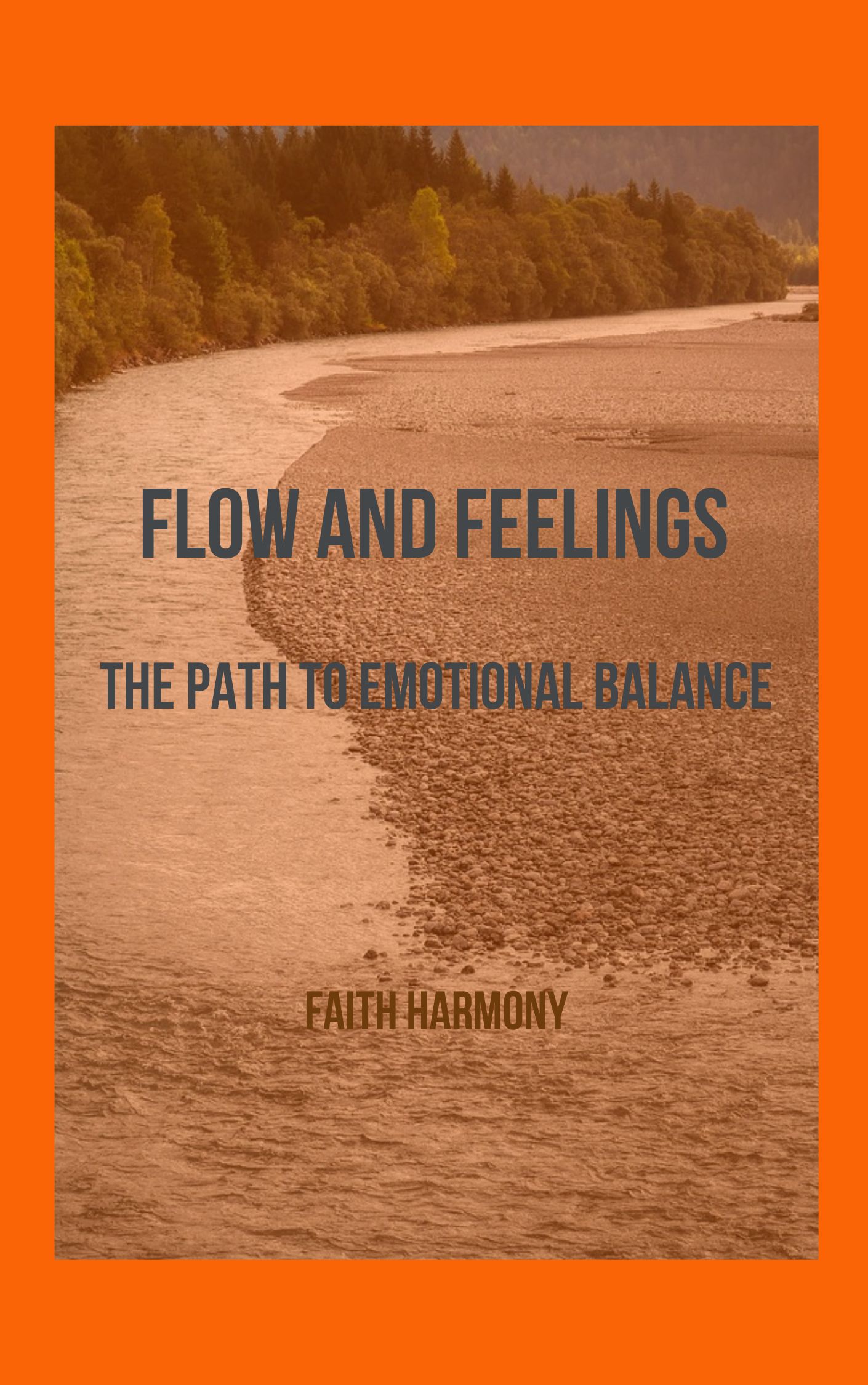
Welcome back, everyone. This week, I will outline a book I recently released entitled Flow and Feelings: The Path to Emotional Balance. See, Emotional balance is a cornerstone of mental and emotional well-being, acting as a guiding compass that helps us navigate the complexities of our feelings.
This concept revolves around the ability to recognize, understand, and manage our emotional responses constructively rather than destructively. Achieving emotional balance means cultivating a state where our emotions do not overwhelm or dictate our actions but become valuable tools for self-awareness and personal growth. It involves a harmonious blend of experiencing emotions fully while maintaining perspective and control, allowing for a more resilient and adaptable mindset in facing life’s challenges.
The book “Flow and Feelings is a poignant resource dedicated to unraveling the intricacies of emotional intelligence. It explores the profound connection between our emotions and the psychological state known as “flow,” which is characterized by total immersion and engagement in activities that challenge and inspire us.
The book aims to give readers actionable strategies and insights that enhance their emotional awareness and intelligence. By illustrating how to tap into flow states, “Flow and Feelings” guides individuals in transforming their emotional experiences into positive outcomes.
The book covers techniques for achieving emotional balance and delves into the significance of understanding our feelings as a pathway to deeper self-knowledge and richer interpersonal connections. Through practical exercises, real-life examples, and reflective prompts, readers are encouraged to embrace their emotions fully and learn to recognize the signals they provide.
Ultimately, “Flow and Feelings” aims to empower individuals to cultivate a more profound sense of emotional intelligence, facilitate personal growth and fulfilling relationships, and lead them toward a life imbued with purpose and joy. Now, if you are ready, let’s start by taking this next step toward becoming positively improved.
The Power of Pausing
In the relentless hustle of our modern society, the constant barrage of external stimuli can feel overwhelming, often rendering us incapable of meaningful thought or emotional processing. The omnipresent allure of smartphones, social media platforms, and an ever-expanding flood of news and notifications continually siphons our attention away from our inner lives.
This incessant distraction may initially seem innocuous, but it accumulates like static noise, preventing us from engaging deeply with our feelings or recognizing when we need a break. Thus, the critical importance of intentionally pausing amid our daily routines emerges as essential. These deliberate moments of cessation allow us to step back from the clamor, providing a much-needed breath of fresh air for our minds and spirits. By creating space for ourselves, we can slow down, reflect on our experiences, and realign with what is genuinely significant in our lives.
Taking a pause is more than an interlude; it is a powerful catalyst for self-reflection and emotional awareness. Engaging in this practice provides us with the necessary tools to delve into the nuances of our emotions, leading to a more profound understanding of ourselves. Various techniques can facilitate this exploration: journaling, for instance, invites us to articulate our thoughts and feelings, creating a tangible narrative of our internal world.
Alternatively, mindfulness meditation encourages us to sit quietly with our thoughts, observing them as they arise without judgment. This practice fosters a sense of detachment and clarity. Even dedicating a few quiet minutes to sitting in stillness can become a transformative ritual. In this space, emotions can surface, revealing insights that might remain obscured.
As we learn to analyze our feelings, we identify recurring emotional patterns—those triggers that ignite our responses—and we are gently prompted to recognize and confront the underlying issues that inform our emotional landscape.
The benefits of self-reflection extend far beyond mere understanding; they are integral to the healing process. Regularly engaging in reflective practices allows us to cultivate self-compassion—a critical element in nurturing our own well-being.
We can approach our emotions with empathy rather than criticism with increased awareness. This compassionate stance is critical when grappling with unresolved issues or past traumas. Through this reflective lens, we can process these emotional remnants constructively, transforming what once felt overwhelming into an avenue for personal growth.
Rather than merely enduring stress, we can learn to address it thoughtfully, building our emotional resilience. Ultimately, the act of pausing and reflecting not only facilitates healing but also enhances our ability to navigate the complexities of modern existence with ease and intentionality.
By embedding these moments of introspection into our daily lives, we cultivate a richer emotional experience, resulting in a deeper connection with ourselves and more meaningful relationships with those around us. This continuous cycle of pausing, reflecting, and understanding is essential for leading a balanced, fulfilling life amidst the world’s cacophony.
Understanding Emotional Triggers
Emotional triggers are potent stimuli that evoke intense emotional reactions, often rooted in our past experiences, beliefs, or unresolved issues. Identifying these triggers is essential for cultivating emotional intelligence and achieving emotional balance. When we understand what prompts our reactions, we can respond to situations with greater awareness and control rather than being driven by impulse or unresolved emotions.
Each person has a unique set of triggers influenced by personal history, relationships, and individual temperament. By exploring these triggers, we gain insight into our emotional responses and the patterns that shape our behavior. This self-awareness is the first step towards transforming our emotional landscape, allowing us to break free from automatic reactions and engage more mindfully with our feelings.
This exploration will explore the various types of emotional triggers, how they manifest in our daily lives, and practical strategies for recognizing and managing them. By understanding these triggers, we can empower ourselves to navigate our emotions constructively, foster deeper self-knowledge, and enhance our ability to connect with others authentically. By embracing our emotional triggers as opportunities for growth, we can ultimately cultivate a healthier, more resilient emotional state.
Identifying Emotional Triggers
Recognizing emotional triggers stemming from past experiences, current situations, or specific interactions is crucial for maintaining mental well-being. These triggers often cause distress without a person realizing why they are upset or anxious. By identifying what sparks these emotions, individuals can better understand and manage their reactions.
This self-awareness allows for a proactive approach to emotional health, enabling individuals to anticipate and address discomfort before it spirals into more significant issues. Strategies such as journaling, mindfulness practices, or even therapy can facilitate this process, helping individuals pinpoint patterns in their emotional responses.
Common emotional triggers vary from person to person but often include stressors such as interpersonal conflict, feelings of inadequacy, or reminders of past trauma. For instance, someone who experienced a difficult breakup may find that certain romantic gestures or references to past relationships evoke intense sadness or anger.
Additionally, environmental factors—like loud noises or crowded spaces—can also trigger anxiety in some individuals. Understanding these common triggers helps with personal development and can improve relationships, as it fosters empathy and understanding when we recognize that others may be facing similar challenges.
Rechanneling Negative Energy
Once emotional triggers are identified, the next step is rechanging negative energy into constructive actions. This process involves transforming feelings of anger, sadness, or anxiety into positive outlets that can facilitate personal growth or healing. One effective technique is physical activity; exercising can help release pent-up emotions and boost mood-enhancing endorphins. Running, yoga, or even dance can provide a valuable distraction while improving physical health.
Another practical approach is creative expression. Engaging in art, writing, or music can be an emotional outlet that helps individuals tangibly process their feelings. For example, someone feeling overwhelmed might try painting their emotions or writing a letter they don’t intend to send.
Additionally, practicing mindfulness and deep breathing techniques can ground individuals, helping them to pause and reflect on their emotions rather than reacting impulsively. These techniques allow negative feelings to be acknowledged and voiced without letting them control one’s actions or mental state.
Creating Safe Spaces
Emotional healing requires creating environments that foster vulnerability and personal growth. Safe spaces—physical locations, community settings, or emotional environments—encourage openness and support and enable individuals to share their experiences without fear of judgment.
One strategy for cultivating these spaces is to promote active listening. In this practice, participants give full attention to others’ words without interrupting or offering unsolicited advice. This fosters a sense of belonging and encourages deep sharing.
Additionally, establishing ground rules for confidentiality and respectful communication can enhance trust within a group. Facilitating workshops, support groups, or team-building activities can also help nurture safe spaces in personal and professional settings.
By prioritizing emotional safety, individuals are more likely to express their true feelings and engage in meaningful conversations, leading to personal growth and stronger connections. With these strategies in place, people can embark on their journeys of self-discovery in a supportive and understanding environment, ultimately fostering healing and resilience.
The Role of Self-Awareness in Transformation
Self-awareness is a vital foundation for personal transformation, enabling us to decipher our thoughts, feelings, and behaviors with clarity and intention. We unlock the potential for meaningful change and growth by cultivating a deep understanding of ourselves. This heightened awareness allows us to recognize our strengths and weaknesses, confront limiting beliefs, and acknowledge the emotional triggers that influence our actions. As we embark on this journey of self-discovery, we enhance our emotional intelligence and create a pathway to more authentic relationships and fulfilling life experiences. In this exploration, we will delve into the profound role of self-awareness in fostering transformation, illustrating how it empowers us to break free from old patterns and embrace the possibilities that lie ahead.
Understanding Self-Awareness
Self-awareness is the conscious knowledge of one’s own character, feelings, motives, and desires. It serves as a cornerstone in personal development, allowing individuals to recognize their strengths and weaknesses, understand how their actions impact others, and make informed decisions about their lives.
One can enhance emotional regulation, improve interpersonal relationships, and foster a stronger sense of identity by cultivating self-awareness. This journey toward self-discovery is significant because it empowers individuals to realize their potential, make meaningful changes, and set goals aligning with their values. In essence, self-awareness is not simply about understanding oneself but about evolving into a version more attuned to personal goals and social environments.
Reflective Inquiry
Reflective inquiry involves introspection, examining past experiences to gain insights and facilitate personal change. By actively reflecting on moments that challenged or inspired them, individuals can uncover patterns in their behavior and thoughts, often leading to profound realizations about their desire for growth.
This practice encourages a more objective view of situations, enabling individuals to separate their emotions from facts and critically assess their actions. For instance, after navigating a conflict with a colleague, an individual might reflect on what triggered their emotional response and how its management could lead to better outcomes in the future. Such insights illuminate the path to self-improvement and increase resilience as individuals learn to navigate similar situations more adeptly in the future.
Steps Toward Personal Transformation
Various practical exercises can enhance self-awareness and facilitate personal transformation. Journaling is one of the most effective tools. It allows individuals to articulate their thoughts and feelings regularly, leading to greater clarity. Setting aside time each week to write about experiences and emotional responses can unveil recurring themes in one’s life.
Another powerful strategy is mindfulness meditation, which encourages individuals to observe their thoughts without judgment. This practice fosters present-moment awareness and helps to create a pause before automatic reactions, providing space to choose responses rooted in understanding rather than impulse. Additionally, seeking feedback from trusted friends or mentors can open avenues of awareness that one might overlook, as external perspectives often highlight areas of growth and strengths not readily acknowledged by oneself. By integrating these exercises into daily routines, individuals can cultivate deeper self-awareness and promote more meaningful personal transformations.
Achieving Emotional Balance Through Flow States
Achieving emotional balance is a journey that intertwines our feelings with our daily experiences, shaping how we interact with ourselves and the world around us. One of the most transformative ways to cultivate this balance is through the concept of flow states—when we become fully immersed in an activity, losing track of time and self. In these experiences, our emotions align harmoniously with our tasks, allowing us to navigate challenges with clarity and purpose. We can learn to manage our emotional responses and elevate our overall well-being by harnessing the power of flow.
This introduction delves into the profound connection between emotional balance and flow states, exploring how embracing this synergy can lead to a more fulfilling and resilient life. Through intentional engagement and awareness, we can transform our emotional landscape, fostering deeper connections with ourselves and others while unlocking our potential for personal growth.
Understanding Flow States
Flow states are mental states characterized by complete absorption in an activity, where individuals experience a sense of effortless involvement and focus. Psychotherapist Mihaly Csikszentmihalyi popularized this concept, highlighting how people find joy and fulfillment when they engage in tasks that challenge their skills just enough to keep them fully immersed yet not overwhelmed.
During flow, individuals often lose track of time, feel intrinsic motivation, and experience increased emotional engagement. This heightened state of concentration enhances creativity and performance and contributes to overall well-being, as individuals report higher levels of happiness and satisfaction in their lives. Flow states can vary based on the individual’s interests, skills, and the activity’s demands, but the common thread remains. When challenged appropriately, people can find themselves in a satisfying flow state.
Activities that Promote Fulfillment
Various activities can lead to experiencing flow, providing the right balance between challenge and skill. Creative pursuits are often at the forefront; painting or writing allows for personal expression while requiring focus. Sports and physical activities, such as rock climbing or dancing, can also invoke flow, as they demand mental concentration and physical skill. Engaging in a musical instrument performance or even playing video games can create similar experiences when players find themselves immersed in the rhythm or objectives of the game. Moreover, work-related projects, such as problem-solving tasks or team collaborations, can encourage flow when the tasks align with a person’s capabilities and interests, making them feel challenged and competent. The key is to find activities that engage us and push our limits just enough to elicit a state of deep focus and enjoyment.
Questioning Techniques for Resilience
Cultivating resilience can significantly enhance one’s emotional well-being, and effective questioning techniques are vital. One approach is encouraging self-reflection through open-ended questions that prompt individuals to explore their thoughts and feelings. For example, asking oneself, “What have I learned from this challenge?” can shift the focus from the negative aspects of a situation to potential growth opportunities.
Another powerful technique is reframing negative thoughts by questioning their validity; instead of believing “I always fail,” one might ask, “What evidence do I have that I can succeed?” Group discussions or therapeutic settings can further amplify these questioning techniques, providing a supportive environment for individuals to process their experiences and uncover profound insights.
Finally, practicing gratitude by asking, “What am I grateful for today?” can foster a positive mindset and strengthen resilience as individuals learn to recognize the positive aspects of their lives, even amidst challenges. By incorporating these questioning strategies, individuals can nurture their emotional well-being and foster a resilient mindset capable of navigating life’s ups and downs.
Final Thoughts
Emotional balance is not just a concept; it is a fundamental aspect of our everyday lives that significantly impacts our overall well-being. It acts as an anchor during turbulent times, providing us with the stability to face challenges, recover from setbacks, and enhance the quality of our interactions with others.
When we cultivate emotional balance, we are better equipped to manage stress, express our feelings constructively, and maintain healthier relationships. This balance is a dynamic state that requires ongoing attention and practice rather than a destination to reach.
I wholeheartedly encourage you to immerse yourself in the rich array of exercises and techniques in “Flow and Feelings.” These methods are thoughtfully designed to deepen your emotional awareness, helping you recognize and regulate your feelings. By engaging with these practices, you will discover practical strategies for transforming how you navigate your emotional landscape, leading to a more harmonious and fulfilling life.
As you journey through the concepts in the book, I invite you to carve out moments for introspection. Reflect on the intricacies of your emotional experiences and the ebbs and flows that have shaped your path. Think about how the insights and strategies from “Flow and Feelings” can illuminate your journey toward a more prosperous, more fulfilling existence. This reflective practice can shed light on recurring patterns in your emotional responses, revealing opportunities for growth and cultivating a more balanced emotional state.
I suggest integrating specific practices into your daily life to enhance your emotional awareness further. Consider starting a journal where you can freely express your thoughts, feelings, and observations. Allow this space to be a haven for your emotions, providing a tangible way to process and understand your inner world.
Additionally, establish a self-care routine tailored to your needs. For example, you could take long walks in nature, practice mindfulness or meditation, or indulge in creative pursuits that bring you joy. These actions can serve as powerful tools in your quest for emotional balance.
Lastly, please share your personal experiences and insights as you explore and implement the teachings from the book. Opening up about your journey fosters a sense of connection with others and creates a supportive community where collective growth can flourish. Your stories may inspire friends, family, or fellow readers who seek emotional balance, reminding us of the shared human experience in the pursuit of fulfillment and deep connection.
As I close this week’s newsletter, I would like to ask, if you know someone who could benefit from this information or this book, please share this with them. Thank you for taking the time to allow me to share this information with you. I hope that you will return next week for the next step toward becoming positively improved. Until then, namaste.

Leave a Reply