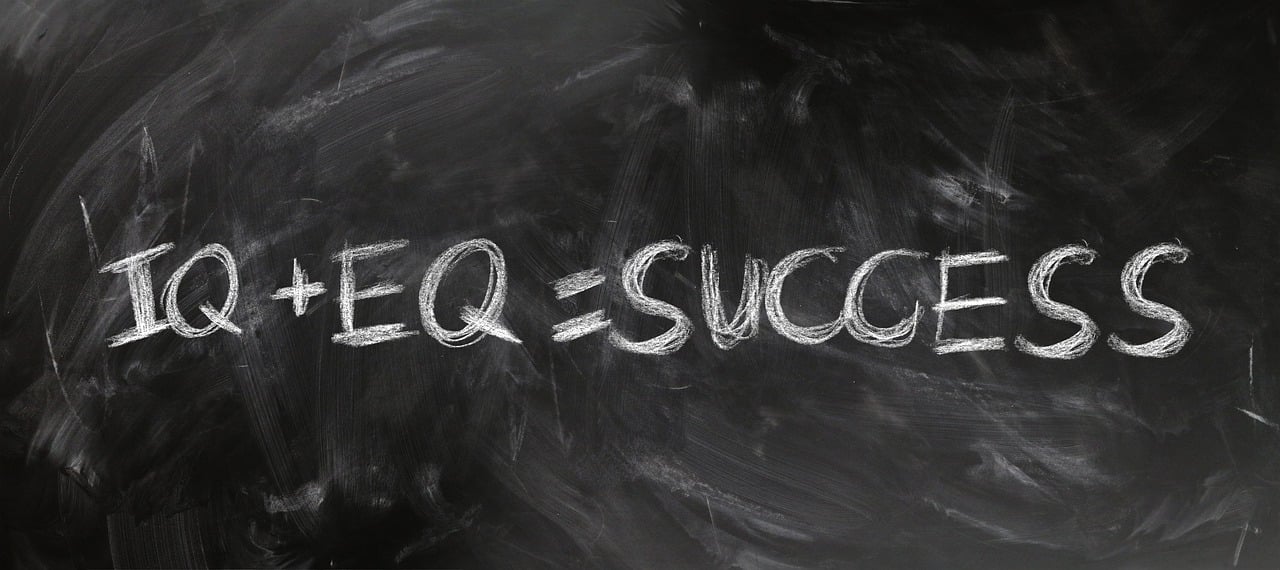
Welcome back, everyone! This week, we’re diving into an essential personal and professional development aspect: Emotional Quotient, or EQ. In a world where technical skills often take center stage, understanding and nurturing our emotional intelligence has never been more vital.
EQ encompasses recognizing, understanding, and managing our own and others’ emotions. It forms the foundation for effective communication, meaningful relationships, and well-being. As we explore the various components of emotional intelligence, including self-awareness, self-regulation, empathy, and social skills, we’ll uncover how developing these traits can transform our daily lives and interactions.
Join me as I take this next step on my journey to appreciate the profound impact of EQ and learn practical strategies for enhancing your emotional intelligence for richer personal and professional experiences. Now, if you are ready to take this next step with me toward becoming positively improved, let’s dive in.
What is, Emotional Quotient?
Emotional Quotient (EQ), often referred to as emotional intelligence, is a multifaceted construct that encompasses the ability to recognize, understand, and manage one’s own emotions while also being attuned to the feelings of others. EQ is typically broken down into several key components: self-awareness, self-regulation, social awareness, and relationship management. Unlike Intelligence Quotient (IQ), which primarily measures cognitive abilities and analytical skills, EQ emphasizes the significance of emotional capabilities in both personal and professional contexts. This distinction is vital, as it illuminates how emotional intelligence can influence decision-making, interpersonal interactions, and overall life satisfaction.
The importance of EQ in daily life is profound. Individuals with high emotional intelligence are often better equipped to handle stress, navigate complex social situations, and forge meaningful relationships. They tend to communicate, resolve conflicts more efficiently, and inspire those around them. Moreover, the ability to empathize fosters stronger connections, enhancing teamwork and collaboration, especially in professional settings. Research has shown that a high EQ is linked to better mental health, improved performance at work, and greater leadership efficacy. As such, understanding and cultivating emotional intelligence can significantly improve personal well-being and any community or workplace dynamics.
This newsletter comprehensively explores emotional intelligence (EQ) and its relevance. By delving into its various dimensions, it aims to highlight its essential role in fostering personal development and enhancing social interactions.
The Components of Emotional Quotient
Self-awareness is a foundational component of emotional intelligence, allowing individuals to understand their emotions and how those emotions influence their thoughts and behaviors. By cultivating self-awareness, one can recognize feelings as they arise and reflect on their causes and impacts. This understanding enhances personal insight and plays a critical role in decision-making. When individuals are aware of their emotional states, they can make more informed choices, avoiding impulsive reactions that may lead to regrettable outcomes. For instance, knowing when stress influences judgment can make one pause and assess the situation more objectively.
Self-Regulation builds on the foundation of self-awareness, enabling individuals to manage their emotions effectively. This involves controlling emotional impulses and channeling emotions in constructive ways. Techniques for self-regulation, such as mindfulness, deep breathing, and cognitive restructuring, empower people to respond to challenging situations with calmness and clarity. For example, a person practicing mindfulness may find it easier to navigate stressful interactions without succumbing to frustration, maintaining focus on high-quality decision-making and interpersonal effectiveness.
Motivation, particularly the distinction between intrinsic and extrinsic motivation, plays a significant role in personal growth. Intrinsic motivation drives individuals to engage in activities for their inherent satisfaction, such as pursuing a passion or personal goal. In contrast, extrinsic motivation stems from external rewards or pressures, like achieving a promotion or gaining recognition. Understanding these motivations can help individuals harness their inner drive, creating a pathway for personal growth and fulfillment. When people engage in activities that resonate with their values, they often experience greater satisfaction and a sense of accomplishment.
Empathy is an essential skill that enhances our ability to understand and relate to others’ emotions. It allows individuals to connect with others more deeply, fostering stronger relationships and communal support. Empathy involves actively listening to others and validating their feelings, which can profoundly affect interpersonal interactions. Empathy in relationships cannot be overstated; it builds trust and respect, creating an atmosphere where individuals feel valued and understood.
Social skills, such as effective communication, are pivotal in building healthy relationships. Good communication involves expressing oneself clearly and being attentive to others’ needs and concerns. Individuals can collaborate more effectively, resolve conflicts, and create meaningful connections by mastering social skills. Building healthy relationships relies on mutual understanding and respect, nurtured through open and honest communication. Ultimately, developing social skills enhances personal and professional interactions, contributing to overall well-being and success.
The Benefits of High EQ
Enhanced relationships are fundamental to personal happiness and professional success. Improving interpersonal skills is the first step toward building stronger connections with others. We foster a deeper understanding of those around us by honing our communication abilities, such as active listening and empathetic responses. This improvement also equips us to handle conflicts more effectively. Conflict resolution skills enable us to address disagreements constructively, turning potential tensions into opportunities for growth and deeper relationships. We can strengthen bonds and create healthier interactions. by navigating conflicts with care and open-mindedness.s
Moreover, better mental health is crucial in today’s fast-paced world. One significant aspect is reducing stress and anxiety, which can cloud our judgment and affect our relationships. Practices like mindfulness, regular physical activity, and adequate rest contribute to our well-being. These strategies help mitigate stress and cultivate a sense of calm, allowing us to approach challenges with clarity. Additionally, resilience in adversity is vital; it empowers us to bounce back from setbacks and face life’s challenges with a positive mindset. This resilience enhances our mental health and influences our interactions with others, creating a supportive environment where everyone can thrive.
Career advancement often hinges on the cultivation of key skills. Leadership skills are essential for anyone looking to rise in their profession. Effective leaders inspire and motivate their teams, fostering an environment of collaboration and innovation. Mastering these skills allows individuals to contribute meaningfully and lead others toward shared goals. Team collaboration is equally essential; by learning to work effectively with diverse groups, we can leverage different perspectives and strengths, driving projects forward and achieving collective success. As we develop in these areas, we pave the way for more significant career opportunities and recognition.
It is also important to note that enhanced relationships, improved mental health, and career advancement contribute significantly to overall life satisfaction. Personal fulfillment comes from recognizing and achieving our goals related to work, relationships, or personal endeavors. Each small victory builds our self-esteem and confidence, encouraging us to strive for more. By embracing this comprehensive approach to self-improvement, we foster a more fulfilling life, rich with meaningful connections, robust mental health, and continuous growth in our professional journeys.
How you can assess your EQ
Self-assessment tools are valuable resources for individuals seeking insight into their strengths, weaknesses, and preferences. Online quizzes and tests have gained popularity due to their accessibility and ease of use. These interactive tools allow users to assess various aspects of their personality, skills, and interests, often providing immediate feedback and suggestions for further exploration. Similarly, reflection exercises encourage individuals to engage in deeper self-exploration, fostering a greater understanding of their motivations and goals. By reflecting on past experiences and current aspirations, users can develop a clearer sense of direction in personal and professional contexts.
In contrast, professional assessments offer a more structured and comprehensive approach to personal evaluation. These services typically include standardized testing and professional consultations that provide insights based on established psychological principles and industry benchmarks. The benefits of professional guidance are multifaceted; they offer an objective perspective that can help individuals uncover patterns and behaviors they may not recognize on their own. Additionally, professional assessments often culminate in actionable strategies tailored to individual needs, equipping clients with the tools to navigate their personal and career paths effectively. Whether through self-assessment or professional evaluation, both approaches can be significant stepping stones toward personal growth and fulfillment.
Some strategies to improve your EQ
Practicing mindfulness can significantly enhance our well-being, making us more present daily. Techniques for mindfulness include meditation, focused breathing, and mindful walking. Meditation helps calm the mind and body, allowing one to observe thoughts without judgment. Focused breathing involves concentrating on each breath, bringing awareness to the present moment. Mindful walking encourages us to engage with our surroundings, noticing sensations with each step. The benefits of being present are numerous; it reduces stress, improves emotional regulation, and enhances our ability to connect with others.
Journaling is another powerful practice that can lead to emotional healing and personal growth. Emotional journaling techniques involve writing about our feelings and experiences, allowing us to process difficult emotions and gain clarity on our struggles. This practice fosters self-awareness and serves as a release for pent-up feelings. Reflecting on our writings can lead to significant growth, enabling us to identify patterns in our behavior, recognize areas for improvement, and celebrate our progress over time.
Seeking feedback is essential for personal and professional development, but knowing how to ask for it effectively is crucial. A good approach is to be specific about the aspects you want feedback on, making it easier for others to provide constructive insights. Once feedback is received, utilizing it for improvement involves reflecting on it and implementing changes based on the suggestions. This cycle of seeking and acting on feedback can lead to continuous personal evolution.
Building empathy is vital in today’s interconnected world. Engaging in activities and exercises designed to enhance empathy, such as role-playing or volunteering, helps us understand others’ feelings and perspectives more deeply. Additionally, actively seeking diverse perspectives can broaden our understanding and appreciation of life experiences. By embracing empathy, we enrich our relationships and foster a more compassionate community, ultimately transforming how we interact with those around us.
The Role of EQ in Different Life Aspects
Effective communication is fundamental to building trust and understanding between individuals in personal relationships. This involves expressing thoughts and feelings honestly and actively listening to one another. Healthy communication can help resolve conflicts and deepen emotional connections, fostering a supportive environment where both parties feel valued and respected. The ability to convey empathy and maintain open dialogue significantly enhances the quality of relationships, whether romantic, familial, or friendships.
In the workplace, communication plays a critical role in collaboration and productivity. Clear and concise interactions among team members ensure everyone is on the same page, reducing misunderstandings and fostering a positive work culture. Regular check-ins and feedback sessions can enhance team dynamics, encouraging employees to voice their ideas and concerns. Moreover, effective leadership hinges on communication skills that inspire and motivate, allowing for a more engaged and driven workforce.
Communication is essential in educational settings for both teachers and students. Educators who encourage open dialogue create a safe space for students to express their thoughts, ask questions, and participate in discussions. This enhances learning and helps students develop critical thinking skills and confidence. Additionally, involving parents through effective communication boosts student performance and creates a strong support system that benefits the entire school community.
Finally, in parenting and family dynamics, communication shapes the values and behaviors of family members. Open, honest discussions promote a strong familial bond, allowing children to feel secure and understood. It enables parents to guide their children effectively while also acknowledging their individuality. Setting aside time for family conversations, whether during meals or casual gatherings, fosters an environment of trust and respect where every member feels heard, ultimately leading to healthier family relationships.
Final Thoughts:
Emotional intelligence (EQ) is crucial to personal and professional success. It empowers individuals to understand and manage their own emotions while also being attuned to the feelings of others. High EQ fosters better communication, enhances conflict resolution skills, and strengthens relationships, making it an essential trait in today’s interconnected world. By prioritizing emotional awareness, we improve our well-being and create a more empathetic and supportive environment.
Anyone looking to enhance their overall quality of life should invest in emotional development (EQ). This journey involves self-reflection, learning stress management techniques, and actively seeking to understand the emotions of those we interact with. As we cultivate our EQ, we unlock the potential for deeper connections and more meaningful interactions. So, take the first step—start your EQ journey today! Embrace the opportunity to grow emotionally and watch its positive impact on every aspect of your life.
As I conclude this newsletter, please share your thoughts on this topic or any experience dealing with emotional Intelligence (EQ) in the section below. I also invite you to share this information with anyone you feel would benefit from it.
As always, thank you for taking the time to discuss this information. Please come back next week and bring a friend to join us as we take the next step toward becoming positively improved. Until next week, namaste.

Leave a Reply