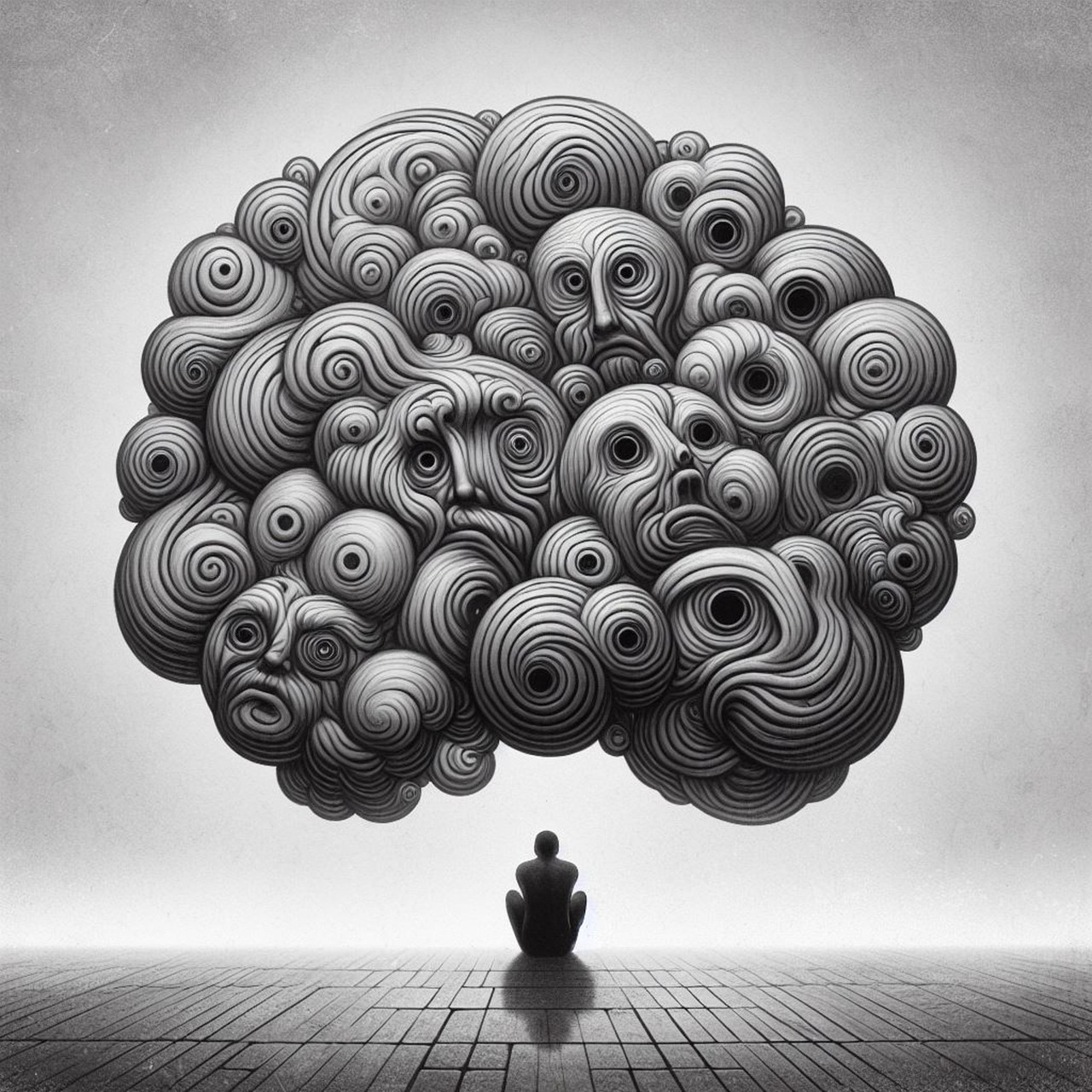
Welcome back, everyone. This week, I would like to talk about mental overload. See, in today’s often overwhelming environment, many individuals find themselves grappling with the troubling phenomenon of overthinking—a mental habit that can lead to heightened anxiety, stress, and emotional distress. Overthinking encompasses a range of cognitive processes where people become trapped in repetitive thought cycles, second-guessing their decisions, obsessing over past actions, and worrying about potential future outcomes. This constant mental churn can rob individuals of their peace and clarity, keeping them from fully engaging with the present moment and significantly diminishing their overall quality of life.
As modern life bombards us with endless information, uncertainties, and challenges, the urge to overanalyze situations has become alarmingly common. Many find themselves caught in a web of rumination and intrusive thoughts, which can exacerbate feelings of inadequacy and helplessness. Rumination involves a persistent focus on negative experiences or perceived failures, while intrusive thoughts are uninvited and distressing ideas that disrupt one’s mental state. Together, these cognitive patterns can fuel a negative feedback loop that undermines personal growth and emotional recovery, making it essential to recognize and address these habits.
Fortunately, there are effective strategies that individuals can employ to regain control over their thoughts and dismantle the grip of overthinking. By embracing techniques rooted in mindfulness, cognitive-behavioral approaches, and creative expression, individuals can learn to cultivate a sense of calm and clarity. For instance, mindfulness practices encourage focusing on the present moment, which mitigates the impact of racing thoughts and promotes emotional well-being. Cognitive-behavioral methods empower individuals to challenge and reframe negative thought patterns while journaling or other creative outlets provide healthy avenues for emotional expression.
By prioritizing these mental hacks, you can build resilience and restore balance, ultimately paving the way for a more peaceful and fulfilling existence. In the following sections, we will delve deeper into the nature of overthinking and explore practical techniques to help quiet an overactive mind so you can reclaim your mental well-being and thrive. If you are interested in learning more, I invite you to take this next step toward becoming positively improved with me.
Examining Overthinking
Overthinking has become an increasingly common experience in today’s world. Many individuals are caught in a cycle of excessive rumination, where they may obsess over decisions, past actions, or potential outcomes. This habit can be detrimental to mental health, contributing to anxiety, depression, and a host of other emotional challenges. Studies suggest that a significant portion of the population frequently engages in overthinking, often leading to a decreased quality of life and increased stress levels. As people grapple with the constant bombardment of thoughts and worries, the resulting mental strain can take a heavy toll, making it crucial to address this habitual pattern.
Central to the experience of overthinking are concepts like rumination and intrusive thoughts. Rumination involves the persistent focus on distressing thoughts, often stemming from negative experiences or perceived failures. This mental loop can hinder personal growth and complicate emotional recovery. Intrusive thoughts, however, are unexpected and frequently distressing ideas that can invade our minds without warning, creating further distress and turbulence. Both rumination and intrusive thoughts are intertwined, feeding into each other and exacerbating feelings of helplessness and discontent. Understanding these phenomena is essential for those looking to break free from their grip.
Finding effective strategies to regain inner peace and clarity is vital for those affected by overthinking. Mindfulness practices, for example, can help individuals anchor themselves in the present moment, diminishing the power of racing thoughts and fostering a sense of calm. Cognitive-behavioral techniques can also provide tools to challenge and reframe negative thought patterns. Journaling or engaging in creative outlets can be a constructive release, allowing for a healthier expression of emotions. Ultimately, by prioritizing these strategies, individuals can cultivate resilience and reclaim their mental well-being, paving the way for a more peaceful and fulfilling life.
Understanding Overthinking
Overthinking is a cognitive process in which an individual excessively contemplates situations, decisions, or feelings, often leading to distress and indecision. It can manifest in two primary forms: rumination and worry. Rumination involves repeatedly reflecting on past events and focusing on mistakes or negative experiences, which can perpetuate sadness and inadequacy. In contrast, worry pertains to anticipating future problems or uncertainties, resulting in anxiety about what might happen. Both forms can create a cycle of negativity that drains emotional energy and impedes overall well-being.
Common triggers for an overactive mind include stress, anxiety, and uncertainty. Stressful situations, such as deadlines at work or personal conflicts, can prompt individuals to dwell on thoughts related to their circumstances. Likewise, anxiety often sharpens attention on potential threats or adverse outcomes, leading to persistent worrying. Uncertainty about the future, whether due to personal life changes or global events, amplifies these tendencies, leaving the mind racing with “what if” scenarios. Such triggers can create a fertile ground for overthinking, making it challenging to find peace or clarity.
The effects of persistent overthinking can be both psychological and physiological. Psychologically, it can contribute to mental health issues such as depression and anxiety disorders, as the mind becomes ensnared in negative thought patterns that can erode self-esteem and hope. Physiologically, chronic overthinking can lead to heightened levels of stress hormones like cortisol, which, over time, can weaken the immune system, disrupt sleep, and contribute to various health issues, including cardiovascular problems. The brain may also suffer as neural pathways are reinforced, creating a feedback loop that entrenches overthinking habits. Acknowledging these effects is crucial for individuals seeking to break the cycle and foster healthier thought processes.
Hack #1 – Thought-Stopping
The thought-stopping technique is a cognitive-behavioral strategy designed to help individuals manage negative thoughts and anxiety. It involves recognizing intrusive thoughts as they occur and then deliberately disrupting them. By interrupting the flow of negative thinking patterns, the technique enables a person to redirect their focus and minimize the impact of these thoughts on their emotions and behaviors. This approach leverages the brain’s natural ability to shift attention, allowing individuals to regain control over their thought processes.
To implement thought-stopping in daily life, identify the negative thoughts that typically arise. These might be worries about the future, self-criticism, or ruminations about past events. Once you recognize these thoughts, introduce an explicit command or visual cue to “stop” them. A popular method is to visualize a stop sign or say “stop” aloud. After stopping the thought, take a moment to challenge its validity and replace it with a more constructive or positive thought. Practicing this technique consistently can lead to greater awareness of thought patterns and a reduction in their power over time.
Research has shown that thought-stopping can be an effective tool for reducing symptoms of anxiety and negative thinking. Studies indicate that individuals who employ this technique often experience decreased frequency and intensity of unwanted thoughts. A meta-analysis of cognitive-behavioral interventions found that thought-stopping when paired with other strategies, contributed to significant improvements in mental well-being and helped participants cope with anxiety-related conditions.
Creating a “mental stop sign” can enhance the effectiveness of the thought-stopping technique. To do this, think of a strong visual or phrase that resonates with you whenever you fall into negativity. It could be something straightforward like “Enough!” or an image that immediately captures your attention. Consistent practice is key; try to incorporate this technique into your daily routine, perhaps during moments of stress or when you notice negative thoughts arising. Over time, this practice helps manage anxiety and fosters a greater sense of agency over one’s thoughts and feelings.
Hack #2 – Mental Distancing
Definition and Explanation of Mental Distancing and its Benefits
Mental distancing is the psychological technique of creating a space between oneself and intrusive thoughts or feelings. This approach allows individuals to observe their thoughts without being overwhelmed, fostering a sense of control and perspective. By practicing mental distancing, people can separate their identity from their thoughts, recognizing that thoughts are not necessarily reflections of reality but transient mental events. The benefits of this practice include reduced anxiety and stress levels, improved emotional regulation, and an enhanced ability to make objective decisions. Through mental distancing, individuals can experience relief from the weight of negative thoughts, leading to a more evident mindset and a more balanced approach to challenges.
Techniques for Creating Psychological Distance from Intrusive Thoughts
Several effective techniques can help individuals create this psychological distance. One such method is visualizing thoughts as clouds drifting in the sky; instead of grappling with them, one can observe them passively, allowing them to come and go without attachment. Another helpful approach is adopting a third-person perspective. By imagining how a friend perceives and responds to the same thoughts or feelings, individuals can gain insights and foster empathy towards their own experiences. This shift in perspective can diminish the intensity of negative emotions, making navigating them more manageable.
Evidence Supporting Mental Distancing in Cognitive Behavioral Therapy (CBT)
Research supporting mental distancing is robust, particularly within the Cognitive Behavioral Therapy (CBT) framework. Studies have shown that cognitive restructuring can significantly improve outcomes, encouraging individuals to step back from their thoughts and evaluate them objectively. Identifying cognitive distortions and challenging them from a distance, individuals can reduce symptoms of anxiety and depression. This evidence underscores the effectiveness of mental distancing as a practical tool within therapeutic settings, helping individuals cultivate a healthier relationship with their thoughts.
Practical Exercises to Help Readers Practice Mental Distancing in Everyday Situations
Readers can try various practical exercises to integrate mental distancing into daily life. One simple technique is the “thought diary,” where individuals write down their intrusive thoughts and then examine them from a third-person perspective. Another exercise involves pausing when faced with stressful thoughts, breathing deeply, and visualizing those thoughts as floating leaves on a stream—acknowledging their presence while allowing them to drift away. Practicing mindfulness meditation can enhance one’s ability to observe thoughts without judgment. By regularly engaging in these exercises, individuals can develop a more resilient mindset, fostering an enduring sense of calm and clarity in their lives.
Hack #3 – Mindful Awareness
Mindfulness brings one’s attention to the present moment, allowing individuals to be more aware of their thoughts, feelings, and bodily sensations. For those with overactive minds, which racing thoughts and constant distractions may characterize, mindfulness is a powerful tool for fostering calmness and clarity. By grounding ourselves in the present, we can create a mental space that reduces the noise of excessive thinking, ultimately leading to greater peace and emotional stability.
Several mindfulness practices can be easily integrated into daily life. Meditation is the most recognized form, involving focused attention and mind quieting. Breathing exercises are equally practical; they help anchor our awareness of the breath, allowing for relaxation and reducing stress levels. Body scans are another valuable practice where individuals systematically focus on different body parts to identify sensations and promote relaxation. Each of these exercises not only aids in calming the mind but also enhances our awareness of bodily sensations, helping us reconnect with ourselves.
Research has increasingly highlighted the mental health benefits of mindfulness, particularly in reducing anxiety and improving emotional regulation. Studies have shown that individuals who regularly practice mindfulness tend to experience lower levels of stress and anxiety and a more remarkable ability to manage their emotions in high-pressure situations. By fostering a non-judgmental awareness of our thoughts and feelings, we can develop a more compassionate relationship with ourselves, which is crucial for enhancing overall mental well-being.
Integrating simple mindfulness exercises into one’s daily routine can be accessible and rewarding. Starting with a few minutes of mindful breathing when you wake up can set a positive tone for the day. A brief body scan before bed helps release tension and promotes relaxation for a better night’s sleep. Even moments of mindfulness during daily activities, like eating or walking, can deepen our connection to the present moment. By committing to these small practices, readers can cultivate a more peaceful and aware mindset, paving the way for long-term mental health benefits.
Hack #4 – Journaling for Clarity
Journaling is a powerful tool for processing thoughts and emotions, bridging our inner experiences with the outside world. We create a space for reflection and understanding when we write down our feelings. Externalizing our thoughts can lead to greater clarity, enabling us to confront and unpack complex emotions. By articulating our worries, joys, and struggles, we gain insight into our mental states, which can facilitate emotional healing and self-discovery.
Various journaling techniques cater to different needs and preferences. Free writing encourages a stream-of-consciousness style where the writer pours their thoughts onto the page without judgment or structure, allowing for unhindered expression. Gratitude journaling highlights positive experiences and things we are thankful for, fostering a sense of appreciation and positivity. On the other hand, structured prompts provide a guided approach, encouraging writers to explore specific topics or emotions, which can help those who feel overwhelmed or unsure about starting. These methods can serve a unique purpose and help individuals engage with their emotional landscape more effectively.
Research has shown that writing can profoundly affect mental well-being. Studies indicate that expressive writing can reduce symptoms of anxiety and depression, improve immune function, and increase overall psychological resilience. Writing helps organize thoughts and emotions, reducing their overwhelming nature, and has been linked to increased self-awareness and emotional regulation. These therapeutic benefits underscore journaling as a valuable practice in individual therapy and personal growth.
Some practical tips ease the process for those who may find it challenging to begin journaling. Start by setting aside a few minutes daily to write without pressure or expectations. It can help to use a designated notebook or digital platform that feels comfortable. If writing in complete sentences feels daunting, consider jotting down bullet points or phrases that capture your feelings or events of the day. Using prompts or starting with a simple gratitude list can make the process more manageable. Remember, the key is to approach journaling as a personal space for expression rather than a chore, allowing it to become a supportive tool in your journey toward emotional well-being.
Final Thoughts:
-Overthinking can often lead to anxiety and a sense of being overwhelmed. To combat this, four mental hacks can help manage those spiraling thoughts. First, practicing mindfulness allows individuals to stay grounded in the present moment, reducing the tendency to dwell on past events or future uncertainties. This can foster a sense of calm and clarity, making tackling problems as they arise easier. Second, using the ‘5-4-3-2-1’ grounding technique can help distract the mind from overactive thinking by encouraging awareness of one’s surroundings. By focusing on what you can see, hear, feel, smell, and taste, you’re redirected to the present.
Another effective strategy is cognitive restructuring, which involves challenging and replacing negative thoughts with positive or neutral ones. This shift in perspective can diminish the power of fears and anxieties, paving the way for more rational thinking. Lastly, setting a specific time to reflect or worry can create a structured space for these thoughts without allowing them to consume your entire day. By committing to these mental hacks, you may find a renewed sense of control over your thoughts and reduced overthinking.
I encourage you to experiment with these strategies to see which resonates best. What works wonders for one person might not have the same effect for another, so finding your fit can be transformative. I invite you to share your experiences with these techniques or any additional strategies that have helped you in the comments.
Together, we can foster a community of support and encouragement as we navigate the challenges of overthinking. Your insights might inspire someone else to find their path to a calmer mind! As always, thank you for joining me as I took this step toward becoming positively improved. I encourage you to come back next week and bring a friend. Until next week, namaste.

Leave a Reply