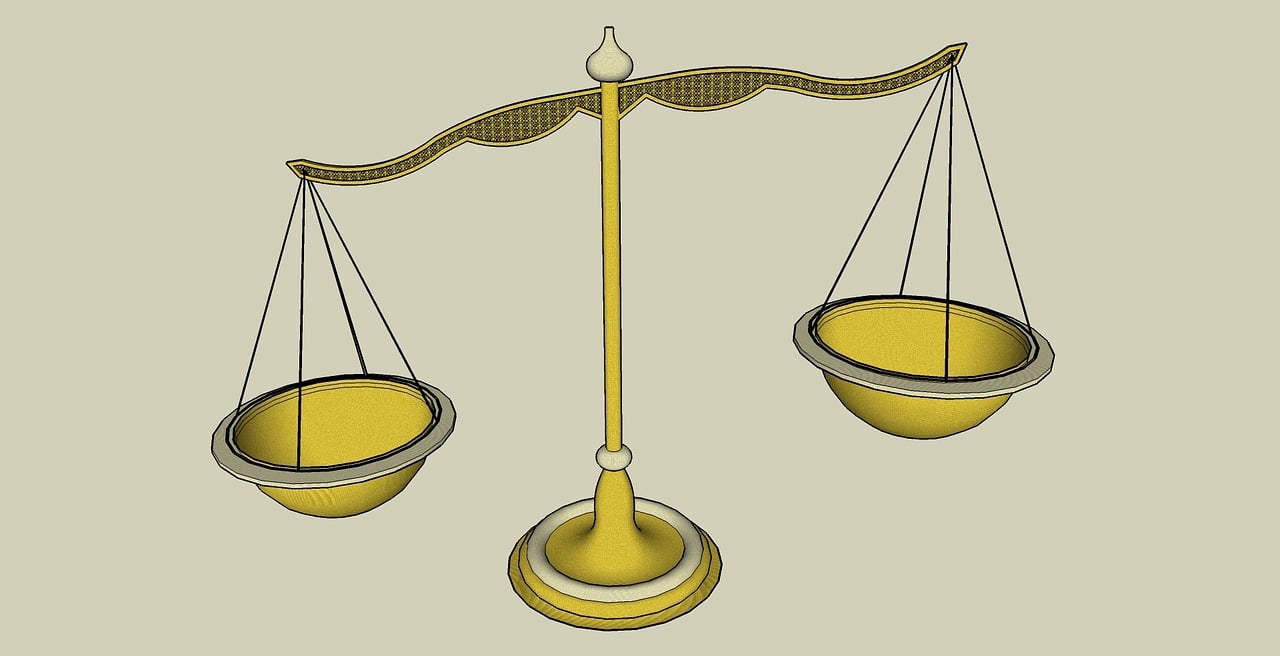
Welcome back, everyone. This week, I would like to discuss finding your center. See, the concept of balance often feels like a forgotten ideal, a mythical creature whispered about but rarely encountered. We’re bombarded with demands from our careers, families, social lives, and endless streams of information.
The pressure to do it all and do it perfectly leaves many of us feeling overwhelmed, stressed, and ultimately disconnected from ourselves. But what if I told you that finding that equilibrium, that sweet spot of balance, isn’t just a nice-to-have, but a necessity for a fulfilling and sustainable life?
Balance isn’t about achieving a rigid 50/50 split across all areas; it’s about cultivating a dynamic state of harmony where each aspect of your life receives the attention and energy it needs, without sacrificing your well-being. It’s about prioritizing what truly matters, setting healthy boundaries, and learning to say “no” to activities that drain you.
It’s about understanding that sometimes leaning more into one area is necessary, but that the overall trajectory is towards a sense of wholeness. Without balance, we risk burnout, strained relationships, diminished creativity, and a profound sense of unease.
My journey toward finding this equilibrium has been anything but linear. I’ve experienced the crushing weight of overcommitment, the guilt of neglecting loved ones, and the frustration of feeling like a hamster on a never-ending wheel. I’ve juggled demanding careers, personal projects, and the responsibilities of family life, often feeling like I was failing at all of them.
It was through these experiences, the stumbles, the lessons learned, and the conscious choices I made to prioritize myself that I began to understand the true meaning of balance. I’ve learned to identify my core values, to recognize my limits, and to create a life that aligns with my authentic self. I’m far from perfect, but I’m committed to the ongoing practice of cultivating a more balanced and joyful existence.
Ultimately, this blog serves as a resource for anyone seeking to create a more balanced, fulfilling, and meaningful life. Join me as I take this next step toward becoming positively improved.
Mastering Mindfulness: Your Anchor in Emotional Regulation
Emotional turbulence is an inevitable part of life. The key lies in learning to navigate these storms with grace and resilience. Mindfulness practices provide a powerful toolkit for emotional regulation, enabling us to observe our thoughts and feelings without judgment, thereby creating space for a more balanced response.
- Meditation: Even a few minutes of daily meditation can significantly reduce stress and improve emotional awareness.
- Mindful Breathing: Simple breathwork techniques can help calm the nervous system and center you in moments of anxiety or overwhelm.
- Body Scan Meditation: This practice helps you become more aware of physical sensations, identify areas of tension, and promote relaxation and overall well-being.
- Mindful Movement (Yoga, Tai Chi): Connecting breath with movement cultivates presence and reduces mental chatter.
Holistic Approaches to Stress Management: Nurturing Your Entire Being
Stress is a common cause of disruption to our balance. While avoiding stress entirely is unrealistic, we can learn to manage its impact through holistic approaches that address the root causes and support our overall well-being.
- Prioritize Sleep: Adequate sleep is crucial for physical and mental restoration. Aim for 7-9 hours of quality sleep each night.
- Nourish Your Body: A balanced diet rich in whole foods provides the fuel your body needs to function optimally and manage stress effectively.
- Engage in Regular Exercise: Physical activity releases endorphins, reduces stress hormones, and improves mood.
- Cultivate Meaningful Connections: Strong social connections offer support and help alleviate feelings of isolation.
- Limit Screen Time: Excessive screen time can contribute to stress, anxiety, and sleep disturbances.
- Practice Gratitude: Focusing on the positive aspects of your life can shift your perspective and reduce feelings of overwhelm.
Crafting Your Stress Management Plan: A Tailored Approach to Well-being
Generic advice often falls short. To truly manage stress effectively, you need an individualized approach. Here’s how to develop your stress management plan:
- Identify Your Stressors: What situations, events, or people trigger stress in your life? Keep a journal to track patterns.
- Assess Your Current Coping Mechanisms: What do you currently do to manage stress? Are these methods healthy and effective?
- Explore New Strategies: Research different stress management techniques and experiment to find what resonates with you.
- Set Realistic Goals: Don’t try to change everything at once. Start small and gradually incorporate new strategies into your routine.
- Track Your Progress: Monitor your stress levels and the effectiveness of your chosen strategies. Adjust your plan as needed.
- Seek Support: Don’t hesitate to reach out to friends, family, or a therapist for support.
The Healing Power of Nature: Restoring Mental and Spiritual Balance
Nature has a profound impact on our well-being. Studies have shown that spending time in nature can reduce stress hormones, improve mood, and boost creativity.
- Forest Bathing (Shinrin-Yoku): Immersing yourself in the sights, sounds, and smells of the forest can have a calming and restorative effect.
- Hiking or walking in Nature: Connecting with the natural world through physical activity improves both physical and mental health.
- Gardening: Nurturing plants can be a therapeutic and grounding activity.
- Simply Spending Time Outdoors: Even a few minutes spent in a park or garden can make a difference.
Energy Healing Modalities: Unlocking Emotional Release
Energy healing modalities, such as Reiki, acupuncture, and chakra balancing, aim to restore the body’s energy flow, releasing emotional blockages and promoting overall well-being. These practices can complement traditional therapies and help you tap into your body’s innate healing abilities.
Building Resilience Through Spiritual Practices: Finding Meaning and Purpose
Spiritual practices, whether they involve organized religion, meditation, or connecting with a higher power, provide a sense of purpose and meaning in life, helping us navigate challenges with greater resilience and emotional well-being. These practices can offer comfort, guidance, and a framework for understanding our place in the world.
- Meditation cultivates inner peace and connects you to a deeper, more profound sense of self.
- Prayer: Provides solace, gratitude, and a connection to the divine.
- Mindfulness: Fosters presence and appreciation for the present moment.
- Connecting with Nature: Offers a sense of awe and wonder.
- Acts of Service: Helping others fosters a sense of purpose and connection.
The Symphony of Body and Mind: The Link Between Fitness and Mental Clarity
Physical fitness is not just about physical health; it’s intimately connected to mental clarity and emotional well-being. Exercise improves blood flow to the brain, releases endorphins, and reduces stress hormones, leading to enhanced focus, improved mood, and better cognitive function. Find activities you enjoy, whether it’s running, swimming, dancing, or yoga, and make them a regular part of your routine.
Synergy and Significance: Creating a Life of Purpose and Impact
Ultimately, balance isn’t about achieving a perfect distribution of time and energy across all areas of life. It’s about creating a life that feels meaningful and purposeful. When our actions align with our values, we experience a sense of synergy, where different aspects of our lives support and enhance one another. This sense of purpose and impact fuels our motivation, strengthens our resilience, and enables us to navigate life’s inevitable challenges with greater grace and fulfillment.
The Continuous Journey:
Remember, the journey towards a balanced life is a marathon, not a sprint. There will be setbacks and challenges along the way. Be patient with yourself, celebrate your progress, and continuously adapt your strategies to meet your evolving needs. Embrace the ongoing process of self-discovery and allow yourself to be guided by a deep connection to your inner wisdom. By consciously cultivating balance in your life, you can unlock a greater sense of well-being, purpose, and fulfillment.
Final Thoughts
In closing, it’s easy to let one aspect of our well-being overshadow the others. We often become so caught up in work that we neglect our physical well-being or lose touch with our inner selves. However, true well-being stems from nurturing a harmonious balance between our mental, physical, and spiritual health. Neglecting any one of these areas can create a ripple effect, impacting our overall happiness, productivity, and resilience.
When these three aspects of our lives are in balance, we experience a profound sense of wholeness and well-being. We are better equipped to handle stress, overcome challenges, and live fulfilling lives.
Achieving balance isn’t about perfection; it’s about progress. It’s a journey, not a destination. Start by identifying areas in your life where you feel out of balance. Perhaps you’re neglecting your physical health, or maybe you’re feeling disconnected from your spiritual side. Choose one small, actionable step you can take this week to address that imbalance.
Remember, consistency is key. Even small changes can have a significant impact over time. Be patient with yourself, celebrate your progress, and don’t be afraid to adjust your strategies as needed.
I am happy to invite you to share your own experiences and strategies for balance:
Everyone has unique insights and experiences to share on the path to well-being. What strategies have you found helpful for balancing your mental, physical, and spiritual health? What challenges have you faced, and how have you overcome them?
I invite you to share your own experiences and tips in the comments below. Let’s create a supportive community where we can learn from each other and inspire each other to live healthier, happier, and more balanced lives. Your insights could make a real difference in someone else’s journey!
Now, if you would like to learn more about this topic, please read my latest book.
Finding Equilibrium: A Journey to Mental, Physical, and Spiritual Balance, and if you know someone who would benefit from this knowledge, I invite you to share this newsletter with them. On a final note, thank you, as always, for taking this step toward becoming positively improved with me. I hope you will return next week. Until then, namaste.

Leave a Reply