Welcome back, everyone. Today, I would like to talk about a kind of therapy that we are all impacted by, even if we are unaware. This week’s topic is influential colors and how they shape our minds and emotions, so if you would like to learn more, I invite you to take this next step toward becoming positively improved with me.
Imagine walking into a room bathed in soft blue light after a stressful day. Almost instantly, your breath slows, your shoulders relax, and your body feels just a little lighter. Now picture a different scene: stepping into a bright, fiery red room where your senses spark awake, energy surges through you, and you feel more alert than ever.
This is the essence of color therapy, also called chromotherapy. This holistic practice uses the vibrational frequencies of color to influence our emotions, mental states, and even physical well-being. While it may sound mystical, color therapy has roots in both ancient traditions and modern psychology. From Egyptian temples painted with healing hues to today’s scientific studies on color perception, the belief that colors can heal and transform us is deeply woven into human history.
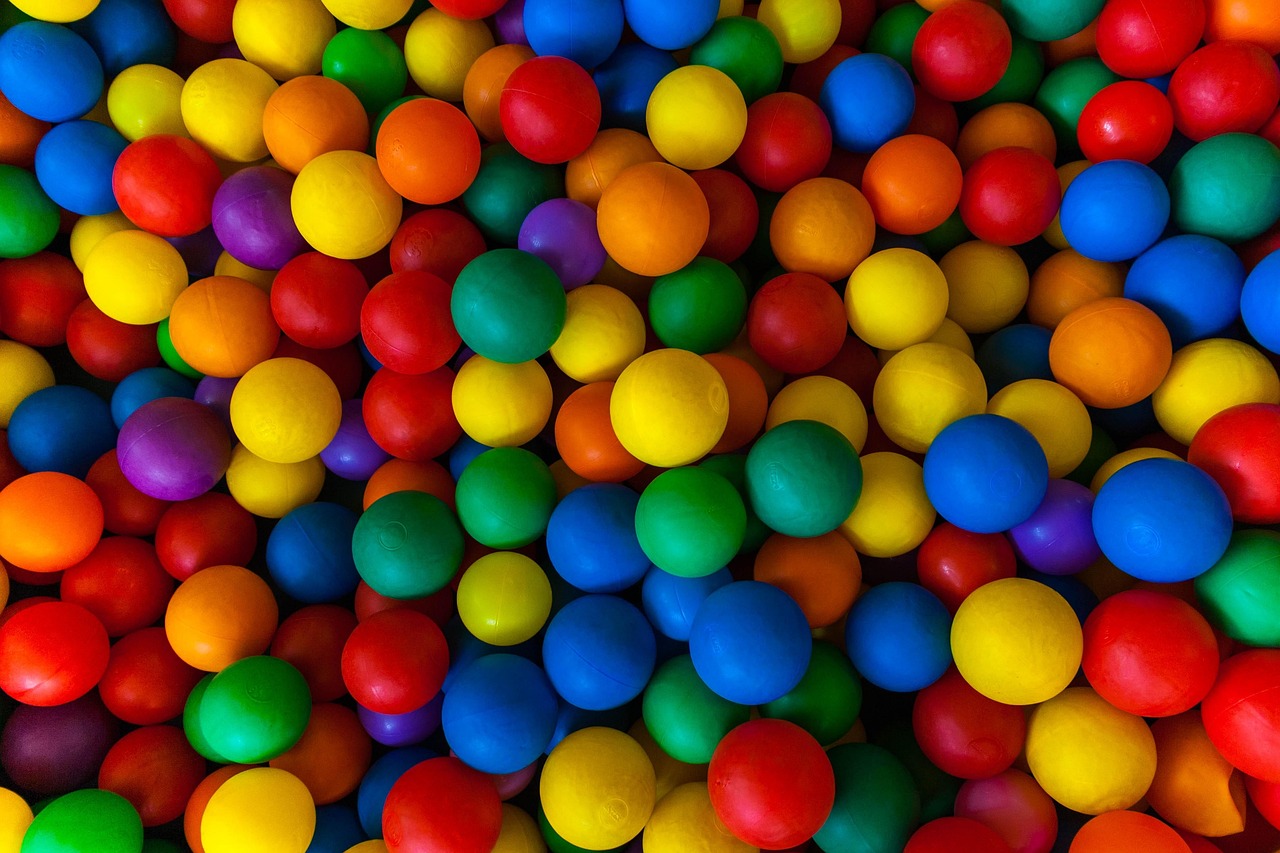
Though every shade carries meaning, five colors consistently emerge as the most influential in color therapy: blue, red, green, yellow, and purple. These colors stand out not only because of their visual impact but also because of their unique psychological and physiological effects. In this post, we’ll dive deep into each of these powerful colors, exploring why they influence us, the science and symbolism behind their effects, and practical ways to bring them into your daily life for balance and well-being.
What Is Color Therapy?
Color therapy is a holistic practice that uses color frequencies to influence emotions, mental clarity, and even physical health.
Ancient cultures painted temples with healing hues, while today’s science confirms that different colors can lower stress, boost energy, or spark creativity. In this post, you’ll learn:
- The psychology and symbolism of each color.
- Why these colors influence your mood and health.
- Practical ways to use them in everyday life.
Blue – The Calming Healer
Blue is the color of peace and serenity. Think of a clear sky or calm ocean—your body almost instantly relaxes.
Why Blue Works:
- Activates the parasympathetic nervous system, reducing stress.
- Lowers blood pressure and heart rate.
- Associated with trust, stability, and safety.
Blue in History and Symbolism:
- Ancient Egyptians used blue to represent protection and the heavens.
- Spiritually, blue connects with the throat chakra (communication and truth).
How to Use Blue:
- Paint bedrooms or meditation rooms in soft blue.
- Wear blue in professional settings for trust and confidence.
- Visualize blue light to release anxiety during meditation.
Red – The Energizing Stimulator
Red is fiery, bold, and impossible to ignore. It awakens both body and mind.
Why Red Works:
- The longest wavelength in the spectrum is highly stimulating.
- Increases circulation and adrenaline release.
- Linked to confidence, energy, and action.
Red in History and Symbolism:
- In China, red means prosperity and luck.
- Romans wore red in battle as a symbol of strength.
- Spiritually, red connects to the root chakra (grounding and survival).
How to Use Red:
- Wear red to boost confidence in social or professional settings.
- Add red accents to workout spaces for energy.
- Use sparingly in dining rooms to stimulate appetite and conversation.
Green – The Balancer and Restorer
Green is nature’s color, harmonious, grounding, and refreshing.
Why Green Works:
- Sits in the center of the spectrum, easiest on the eyes.
- Associated with renewal, balance, and vitality.
- Time in green spaces reduces stress and boosts mood.
Green in History and Symbolism:
- Universally connected to fertility, abundance, and hope.
- Linked with the heart chakra (love and compassion).
How to Use Green:
- Bring indoor plants into your home or office.
- Choose green clothing to project warmth and approachability.
- Add green to therapy or relaxation spaces for emotional healing.
Yellow – The Uplifting Optimist
Bright, cheerful, and sunny—yellow instantly sparks joy.
Why Yellow Works:
- Stimulates the left brain hemisphere, linked to creativity and logic.
- Boosts serotonin, the “happiness hormone.”
- Associated with clarity, positivity, and mental energy.
Yellow in History and Symbolism:
- It is often linked with gods and sunlight in ancient cultures.
- Spiritually tied to the solar plexus chakra (confidence and clarity).
How to Use Yellow:
- Add yellow accents to workspaces for creativity.
- Wear yellow accessories to brighten your mood.
- Use in kitchens or living rooms for warmth and joy.
Purple – The Spiritual Awakener
Mysterious and magical, purple blends the calm of blue with the energy of red.
Why Purple Works:
- Stimulates imagination and encourages introspection.
- Associated with wisdom, creativity, and spirituality.
- Rare in nature, which gives it an “otherworldly” quality.
Purple in History and Symbolism:
- Historically tied to royalty and wealth (due to rare dyes).
- Spiritually connects to the crown chakra (intuition and enlightenment).
How to Use Purple:
- Decorate meditation spaces with purple candles or fabrics.
- Wear purple to express individuality and creativity.
- Use in art studios to spark inspiration.
Final Thoughts:
Color therapy shows us something profound: colors are not just visual—they’re vibrational, emotional, and profoundly influential. Blue soothes us into calm. Red energizes us into action. Green restores balance. Yellow uplifts our spirits. Purple awakens our inner wisdom.
By understanding the psychology, symbolism, and practical applications of these colors, we can harness their power to shape our environments, moods, and even our personal growth. Whether you’re painting your walls, choosing your clothes, or setting up a meditation space, the colors you surround yourself with matter.
See, colors aren’t just visual; they’re emotional and energetic tools. With a bit of intention, you can use them to transform your environment, mood, and energy.
- Blue calms and heals.
- Red energizes and motivates.
- Green restores balance.
- Yellow uplifts and sparks joy.
- Purple awakens creativity and spirituality.
Try experimenting: paint a wall, wear a new shade, or meditate with a specific color. Small shifts can make a profound difference in how you feel. So, the next time you find yourself needing calm, energy, balance, joy, or insight, remember: the answer might be as simple as looking at the colors around you.
And with that, before I close for the week, I hope you enjoy this week’s topic. I hope this new knowledge will encourage you to experiment with the colors or to take notice of how the colors are impacting those around you. If you would like to share any thoughts or experiences you have had with color therapy, I encourage you to share, as your insights and thoughts could help others within this ever-growing community.
I also encourage you to share this newsletter with anyone that you think would gain new insights or perspective from it. As always, I am so grateful to you all for sticking with me as I took this next step toward becoming positively improved, and I genuinely hope that you return next week. Until then, namaste


Leave a Reply